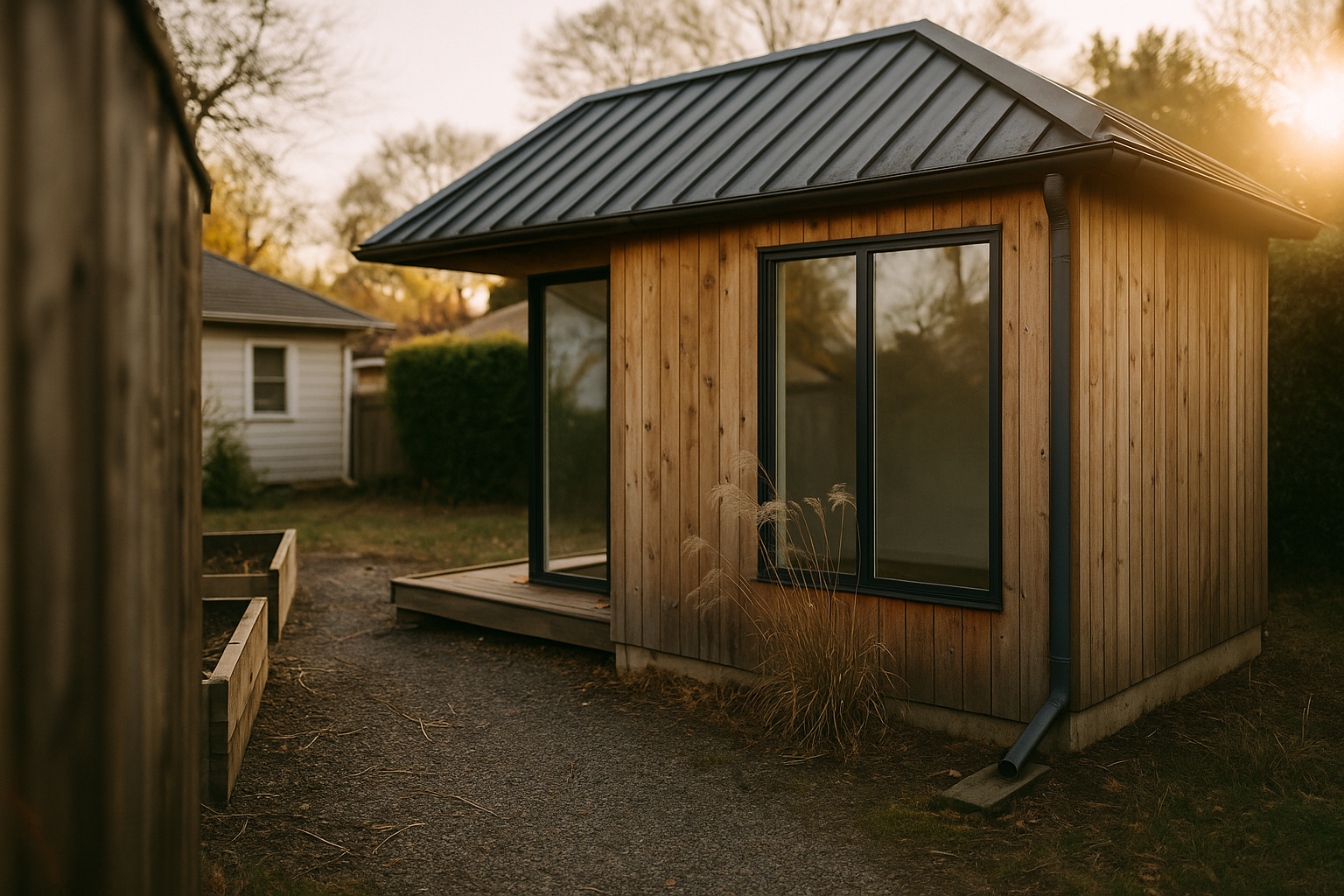
A Look Inside Modern Backyard Apartments and Their Benefits
Outline of the Article
This article opens with an introduction that frames why backyard apartments—often called accessory dwelling units, casitas, or laneway homes—matter right now. It then explores what modern interiors look and feel like, from space-savvy layouts to daylighting and storage. Next comes a clear-eyed look at benefits for owners and neighborhoods, followed by costs, permits, and financing pathways. The final section wraps with a practical, homeowner-focused roadmap.
– Introduction: Why backyard apartments are timely, relevant, and useful
– Inside the modern unit: plans, finishes, comfort, and accessibility
– Benefits: income potential, flexibility for families, and community impacts
– Costs, codes, and financing: realistic ranges, timelines, and choices
– Conclusion and next steps: decisions, due diligence, and an action checklist
Why Backyard Apartments Matter Now
Across many cities and suburbs, households are seeking flexible space that adapts to changing life stages without forcing a move. Backyard apartments respond to that need with modest size, discreet placement, and a surprising range of uses: a home for a parent aging in place, a starter nest for an adult child, or a long-term rental that diversifies income. They fit the moment because they add homes where services already exist, easing pressure on infrastructure while keeping neighborhoods familiar.
Policy shifts have unlocked their potential. Over the past decade, numerous municipalities streamlined permitting, relaxed parking requirements, and capped certain local fees to encourage small-scale housing. In several large markets, permits for accessory units jumped dramatically; in parts of the West Coast, annual approvals climbed from the hundreds to the tens of thousands within a few years, turning a niche idea into a mainstream option. While rules vary by location, the overall trajectory is clear: more places now welcome these compact dwellings.
The social benefits extend beyond the property line. Backyard apartments enable “gentle density,” adding neighbors without altering the character of a street. This approach can improve housing choice while tempering sprawl and commute distances. For households, the calculus is straightforward: the potential for stable rental income, room for caregiving, or a comfortable downsizing plan—often all on the same lot—creates resilience. And because the footprint is small, design decisions can focus on quality: better windows, efficient systems, and thoughtful finishes that elevate daily life.
For readers weighing whether this path is right for them, the key strengths are practical and personal. A backyard apartment delivers privacy with proximity, cost control through compact design, and the satisfaction of investing in a place you already love. It is housing scaled to human rhythms—quiet mornings, shared dinners, and the option to close the garden gate when you need space. In the sections that follow, we’ll step inside to see how these ideas translate into plans, materials, and lived comfort.
Inside the Modern Backyard Apartment: Layouts, Light, and Livability
Modern backyard apartments are compact by intention, typically ranging from about 350 to 800 square feet. Within that envelope, the layout carries the weight. Efficient plans often pair an open living-kitchen zone with a separate sleeping area or one bedroom, while studios rely on sliding partitions or built-in storage walls to create privacy without carving up the floor. Corner kitchens free up circulation; galley kitchens can work if paired with a peninsula that doubles as a desk or dining spot.
Light is the quiet hero. Designers favor tall windows set at corners to borrow views and stretch perceived width. A glazed door to a small deck can transform a living room, and clerestory windows admit daylight while protecting privacy. Where lots are close, high windows on the shared side and larger openings facing the garden solve both neighborliness and brightness. Thoughtful glazing reduces reliance on daytime lighting and can improve mood and comfort.
Storage is integrated, not added as an afterthought. Consider a bed platform with drawers, a window seat with a hinged lid for blankets, and a shallow pantry between studs. A small mechanical closet can tuck a heat pump water heater and stacked laundry, while a niche near the entry corrals shoes and coats. The goal is to keep daily clutter off surfaces so the space feels calm and bigger than it is.
Acoustic comfort matters in a small footprint. Mineral wool insulation in walls and floors, sealed door frames, and isolation pads under mechanical equipment dampen noise. If the unit shares a yard with a lively household, solid-core doors and acoustic gaskets around bedroom openings create quiet zones. On the flip side, a unit near a busy street benefits from laminated glazing and well-detailed window seals.
Finishes work hard. Durable plank flooring resists scratches from pet claws and garden grit. Fiber-cement or charred wood siding with a ventilated rainscreen handles weather swings, and matte quartz or compact laminate counters shrug off spills. In small bathrooms, a curbless shower improves accessibility and eases cleaning; a skylight above the shower can ventilate while drawing the eye up.
Furnishings pull triple duty. A modest sofa with storage, a drop-leaf table, and nesting side tables flex from solo coffee to a dinner for four. Mounting a narrow shelf at standing height creates a laptop perch with minimal footprint. And a pocket door between living and sleeping zones preserves square footage you would otherwise lose to swing clearance.
– Space-makers to consider:
– Corner windows and a glazed garden door for diagonal views
– Built-in seating and platform storage to declutter floors
– Pocket or barn-style interior doors to save swing space
– Curbless shower and lever handles for lifelong accessibility
Benefits for Homeowners and Communities
The appeal of a backyard apartment often starts with flexibility and steadiness. For many households, a detached or attached unit becomes a reliable income source. In a range of North American cities, long-term ADU rents commonly track around 60% to 80% of a comparable one-bedroom apartment in the same neighborhood, reflecting smaller size but similar privacy and amenities. That can translate to meaningful monthly cash flow, which may offset mortgage payments, property taxes, or retirement savings gaps.
Yet the value proposition is broader than rent. Backyard apartments create options for multigenerational living without sacrificing autonomy. A parent can live steps away instead of miles, easing caregiving and reducing travel time for appointments. Adult children can launch from a stable, attainable home while contributing to household costs. Owners planning ahead for aging in place may later choose to move into the unit and rent the primary home, reversing the roles while staying rooted on a familiar street.
Community benefits often show up in small but compounding ways. These units add residents near shops and transit without large new buildings, supporting local businesses and safer, more vibrant blocks. Because the structures are small, their embodied carbon and operational energy use can be lower than a larger house per person, especially when paired with efficient systems. Gentle density also helps make better use of existing infrastructure—schools, parks, transit lines—while reducing pressure to extend development into open land.
Financially, owners often consider total return, not just monthly income. While results vary by market, appraisers in many areas now credit accessory units when evaluating a property, particularly when the unit is permitted and built to code. The return combines rent potential, increased resale appeal to a wider buyer pool, and the intangible value of flexibility. For risk management, vacancy and maintenance should be budgeted, and local rental rules understood before proceeding.
– Benefits at a glance:
– Income diversification from a long-term renter or furnished medium-term stays (where allowed)
– On-site housing for family, caregivers, or downsizing plans
– Broader buyer appeal and potential appraisal recognition for a compliant unit
– Added neighbors without heavy infrastructure demands, supporting local vitality
The upshot: a backyard apartment can be a steady, human-scale way to strengthen a household’s finances and a neighborhood’s fabric at the same time. When designed and managed thoughtfully, it aligns private goals with public good in a way that few home projects can match.
Costs, Codes, and Financing: What to Expect
Project budgets vary widely by market, but some ranges are emerging. For a detached backyard apartment of about 500 to 800 square feet, many homeowners report all-in costs (design, permits, utility connections, site work, and construction) in the vicinity of $150,000 to $350,000 in moderate-cost regions, and higher in hot markets with labor shortages. Attached conversions of a garage or basement can land lower, while high-spec finishes, difficult access, or hillside foundations can push totals upward.
Soft costs deserve early attention. Design fees, surveys, soils reports, energy calculations, and permit charges can reach 15% to 25% of the construction budget. Some jurisdictions have reduced or capped impact fees for smaller units, but rules differ street by street. Utility upgrades—electric service capacity, sewer laterals, or a water line—are common curveballs; a quick load calculation and camera inspection of existing lines can prevent surprises months later.
Codes and zoning guide what is possible. Typical provisions address maximum size (often 500 to 1,200 square feet), height (commonly 16 to 20 feet for a one-story or 24 feet for a two-story), setbacks from property lines, and limits on lot coverage. Many places allow one accessory unit per lot; some also permit a junior unit carved from the primary house. Parking requirements are easing in numerous jurisdictions, particularly near transit. Fire separation, egress windows, and independent addressing are life-safety essentials, and inspections will check them all.
Financing options mirror renovation lending. Owners frequently tap:
– Home equity lines or cash-out refinancing secured by existing property value
– Construction-to-permanent loans that convert after final inspection
– Renovation products that factor the completed value into borrowing capacity
– Savings, grants, or fee waivers available through local housing programs
Timeline planning helps align the numbers. Design and permitting can take 3 to 9 months depending on complexity and municipal backlog, while construction typically runs 4 to 8 months for a detached unit. Prefabricated or panelized approaches can shorten on-site time but still require foundations, craning or delivery access, and full utility hookups. A cushion of 10% to 15% for contingencies is prudent, especially on older lots where underground conditions are unknown.
To check feasibility early, sketch a yield study: map setbacks, locate a building area that preserves trees and easements, and note path-of-travel for construction. Verify utility routes and clear sightlines for windows that will not overlook neighbors. A brief pre-application meeting with the local planning desk can save weeks later. Clear drawings, a realistic budget, and a financing plan aligned with permit milestones form a sturdy runway for takeoff.
Conclusion and Next Steps for Homeowners
Backyard apartments succeed when vision meets pragmatism. The vision is personal—welcoming a loved one, building a durable income stream, or crafting a smaller, easier-to-manage home without leaving your block. The pragmatism comes from careful planning: aligning design with rules and budget, choosing durable materials that fit the climate, and keeping a steady eye on schedule and cash flow. When those pieces lock together, the result is a compact, comfortable dwelling that serves people and place for decades.
A practical path forward starts with discovery. Talk to your local planning department to confirm size, height, and setback limits. Collect two or three site-specific budgets from licensed builders who have completed similar projects nearby. Ask for references you can visit; seeing details in person reveals quality in a way photos cannot. If you plan to rent, model conservative scenarios for rent, vacancy, and maintenance so the numbers pencil even in soft markets.
Design with future you in mind. Even if you are building for a renter today, consider features that support aging in place—step-free entries, lever handles, good task lighting, and blocking in walls for future grab bars. Run conduit for a future car charger and size the electrical panel with all-electric appliances in mind. A small solar-ready roof, a heat pump for space conditioning, and a heat pump water heater can reduce operating costs and emissions while improving comfort.
Use this quick checklist to keep momentum:
– Confirm zoning, setbacks, and utility capacity in writing
– Establish a target budget with a 10%–15% contingency
– Hire a designer or design-build firm with accessory unit experience
– Sequence financing to permit milestones and builder draws
– Choose durable, climate-appropriate materials and efficient systems
– Plan landscape privacy, lighting, and water management from day one
Ultimately, a backyard apartment is a craft project at the scale of a small home. Done thoughtfully, it turns underused yard space into opportunity—economic, social, and environmental. If the idea has been tapping at your imagination, this is your cue to open the gate, walk the lot with a tape measure, and map the first steps toward a compact place that meets your needs now and adapts with you over time.