Senior Apartments: A Practical Guide to Housing Options for Older Adults
Finding the right home later in life is rarely just about square footage or rent. Senior apartments sit at the crossroads of comfort, safety, affordability, and independence, which is why they matter to older adults and the people who support them. This guide explains how these communities work, what they usually cost, and how to compare options without feeling rushed. If the search seems confusing now, a clear plan can turn it into a manageable next step.
Outline and Basics: What Senior Apartments Are and Why They Matter
Before comparing floor plans, leases, and monthly costs, it helps to start with a simple roadmap. This article covers five practical areas: what senior apartments are, the main types available, how pricing works, which features improve day-to-day life, and how to choose a place with confidence. That outline matters because senior housing decisions can feel oddly crowded with information. One brochure highlights luxury amenities, another focuses on affordability, and a third sounds almost like healthcare. A clear structure brings the topic back to earth.
At their core, senior apartments are residential communities designed for older adults, usually with age requirements such as 55+ or 62+. Most are intended for people who can live independently and do not need daily medical care. That distinction is important. A senior apartment is not the same as assisted living, memory care, or a nursing home. In many cases, residents want a setting that is easier to maintain than a single-family house but still feels private, flexible, and familiar. The appeal is practical: fewer stairs, less yard work, more predictable maintenance, and often a quieter environment shaped around older residents.
Senior apartments can be market-rate or income-restricted. Some are simple rental buildings with accessible design and age eligibility. Others add social programming, transportation, meal plans, or common spaces such as libraries, walking paths, and fitness rooms. The level of support varies widely, so two communities with similar names may operate very differently.
Common reasons older adults explore senior apartments include: • downsizing after retirement • wanting to live closer to family or healthcare • reducing home maintenance responsibilities • improving accessibility after mobility changes • seeking more social connection without giving up privacy
There is also a demographic reason these communities have become more relevant. Populations in many countries are aging, and a larger share of households includes older adults who want housing that supports independence rather than replaces it. That demand has broadened the market. Today, senior apartments range from modest subsidized units to polished independent living campuses with resort-style touches. The variety is useful, but it also means shoppers need to ask sharper questions. The smartest search begins with one honest sentence: what kind of life should this apartment support over the next five to ten years?
Types of Senior Apartments and How They Compare
Not all senior apartments follow the same model, and that is where many searches go off track. A family may tour one property with a social calendar, transportation van, and housekeeping, then assume every senior apartment offers the same package. Another person may visit a basic age-restricted building and conclude that senior housing is too limited. In reality, the category includes several formats, each serving different budgets and lifestyles.
The first common type is the age-restricted apartment community. These properties usually operate much like standard rentals but limit occupancy to older adults who meet the age criteria. Residents often appreciate elevators, grab bars, community rooms, and lower-maintenance living. Services are generally light, and tenants manage their own meals, medications, and schedules.
The second type is affordable or income-restricted senior housing. In the United States, this can include properties supported through programs such as HUD-backed housing or tax-credit developments. Rent may be capped or adjusted according to income, and waiting lists can be long in areas with high demand. These communities can be essential for older adults on fixed incomes, especially when Social Security, pensions, or savings leave little room for rising market rents.
A third model is independent living. This often looks more like a lifestyle community than a simple apartment complex. Residents may find dining plans, housekeeping options, planned outings, and organized activities. It still differs from assisted living because medical support is not the core service. Think of it as a bridge between ordinary renting and care-based housing.
A useful comparison looks like this: • Age-restricted apartments: strongest fit for independent renters who want simpler housing • Affordable senior apartments: strongest fit for budget-sensitive households that meet income rules • Independent living communities: strongest fit for those who want convenience, community, and optional services • Assisted living: stronger fit when help with daily tasks such as bathing, dressing, or medication management becomes necessary
Another distinction matters just as much: accessibility does not automatically mean senior-only. Some mixed-age apartment buildings offer step-free access, elevators, wider doorways, and adaptable bathrooms. For an older adult who dislikes age-restricted settings, a well-designed standard apartment may still be a good option. Still, dedicated senior housing often provides a social atmosphere that mixed-age properties cannot easily match. A hallway where neighbors understand each other’s routines can feel less like a building and more like a gentle little village. The right choice depends less on labels and more on the resident’s health, preferences, income, and desired level of community.
Understanding Costs, Leases, and the Real Budget Behind the Rent
Cost is often the first question people ask, but the more useful question is this: what will living here actually cost month after month? Senior apartments can appear straightforward on paper, yet the full budget may include much more than base rent. Looking closely at the numbers can prevent unpleasant surprises and make it easier to compare one property with another on equal terms.
Market-rate senior apartments are usually priced according to local real estate conditions, just like conventional rentals. In expensive urban areas or popular retirement destinations, rents can be high even for modest units. Affordable senior housing may reduce the burden substantially, but eligibility rules, documentation requirements, and waiting periods can slow the process. Independent living communities sometimes charge more because they bundle services and amenities into one monthly fee. That fee may include some meals, housekeeping, transportation, utilities, or activity programming, but it may not include everything.
When reviewing costs, it helps to divide them into clear categories: • monthly rent or housing fee • utilities such as electricity, gas, water, or internet • parking, storage, or pet fees • meal plans, housekeeping, or transportation charges • renter’s insurance • moving expenses and furniture adjustments • deposits, application fees, and possible annual rent increases
One important comparison involves entrance fees. Most standard senior apartments do not require the large upfront payments sometimes associated with continuing care retirement communities. That can make them more approachable for renters who want flexibility. However, even without an entrance fee, the monthly budget can stretch quickly if add-on services are priced separately.
Older adults living on fixed incomes should also look at predictability, not just affordability. A rent amount that seems manageable this year may become stressful if annual increases outpace income growth. Asking about rent history, utility averages, and renewal terms can be just as important as asking for a brochure. Families should also discuss what happens if health needs change. If a resident later requires home care, can those services be brought into the apartment, and what would that add to the budget?
Practical questions to ask include: • Which utilities are included? • Are there income limits or subsidies? • How long is the lease term? • What services cost extra? • Is there a waitlist, and how is priority assigned?
A sensible budget leaves room for more than housing. Medication, groceries, transportation, healthcare, and ordinary pleasures still matter. The best apartment is not the one with the flashiest lobby. It is the one that supports a stable, sustainable life after the lease is signed.
Features, Safety, Amenities, and the Shape of Daily Life
An apartment can look perfect in photos and still feel awkward in practice. That is why features and daily usability matter so much in senior housing. For older adults, comfort is not a luxury detail. It is tied to safety, mobility, confidence, and the ability to continue familiar routines without unnecessary strain.
Accessibility is often the first priority. Useful design elements may include step-free entrances, elevators, wide doorways, lever-style handles, walk-in showers, non-slip flooring, brighter lighting, and reachable storage. These features may seem small at first glance, yet they can dramatically affect how easy it is to cook, bathe, do laundry, or simply move through the home with assurance. For residents who use walkers or wheelchairs, layout matters just as much as square footage. A slightly smaller unit with a better floor plan can be far more functional than a larger but cramped apartment.
Safety also extends beyond the unit itself. Hallway lighting, secure entry systems, handrails, emergency call options, smoke detectors, and staff responsiveness can influence peace of mind. Some communities offer wellness checks, on-site management, or partnerships with local service providers. Others rely primarily on standard property management. Neither model is automatically better, but the level of support should match the resident’s needs and preferences.
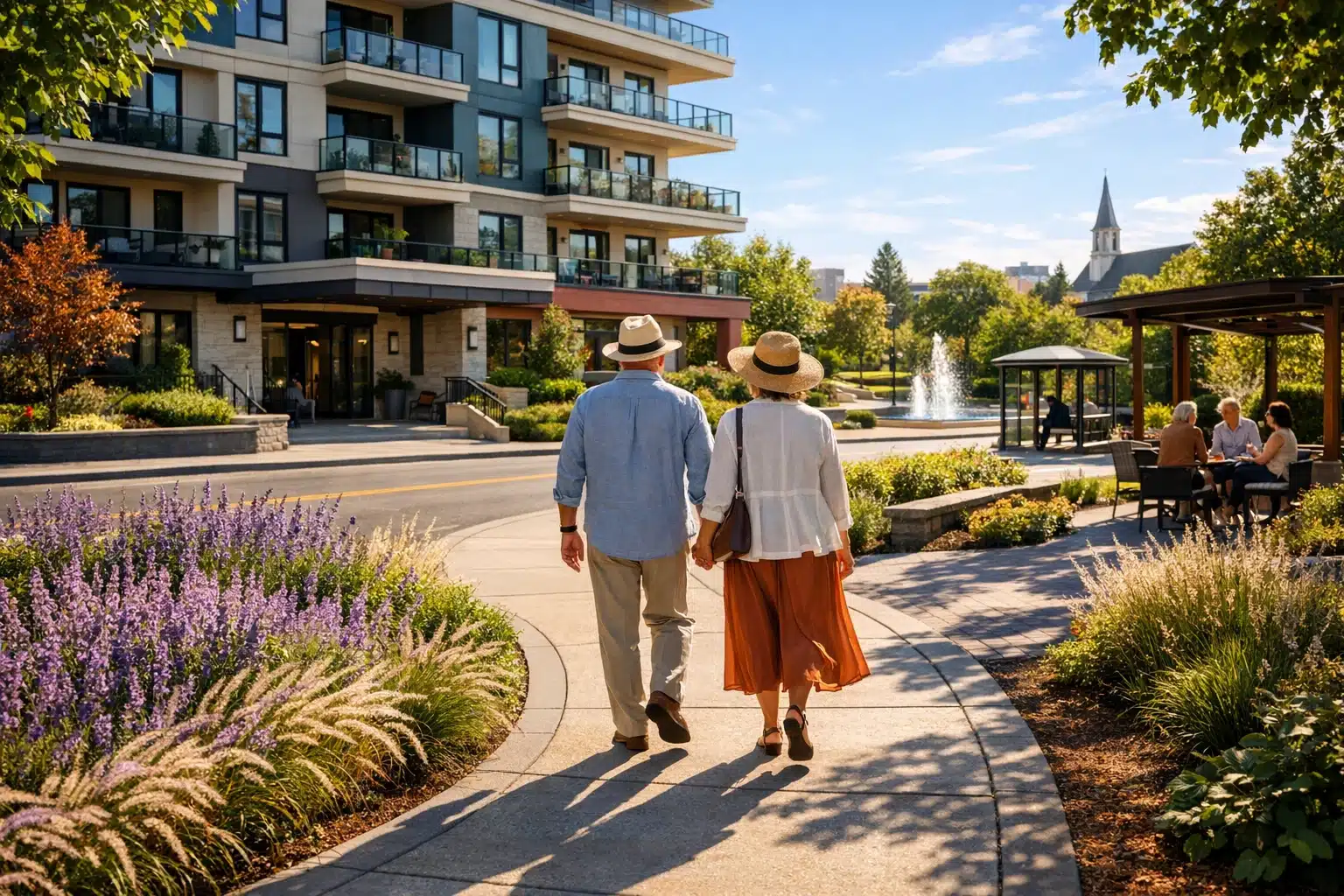
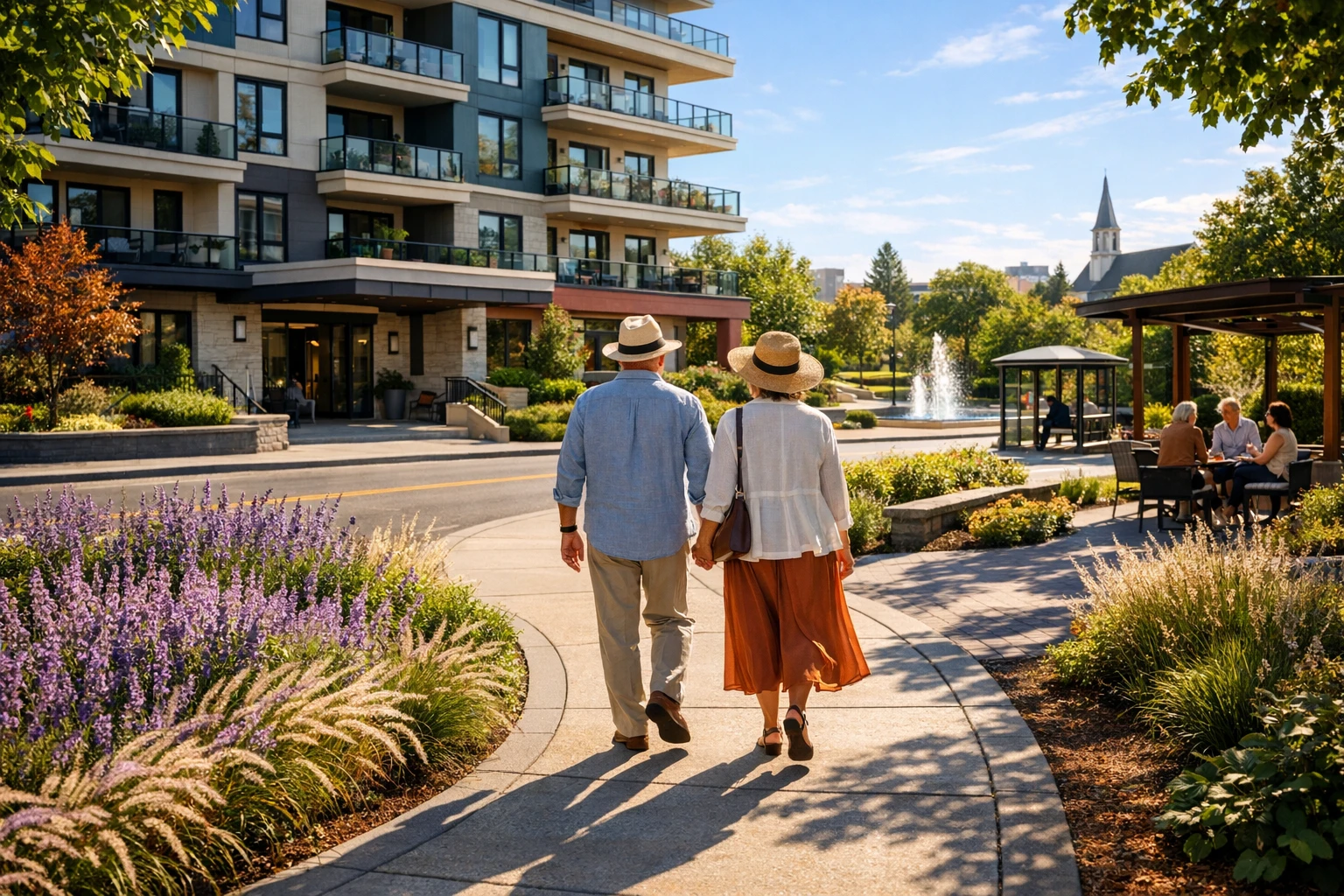
Amenities can shape quality of life in quieter ways: • community rooms that encourage conversation • transportation to shops or medical appointments • fitness areas with age-friendly equipment • laundry rooms on each floor • outdoor seating, walking paths, or gardens • organized classes, clubs, or social events
Location deserves equal attention. A beautiful apartment on the wrong block can make daily life harder. Proximity to pharmacies, grocery stores, public transit, parks, faith communities, and healthcare providers often matters more than decorative upgrades. For some residents, being near adult children or longtime friends is the real amenity. A neighborhood that supports spontaneous visits and easy errands can reduce isolation in ways no brochure can fully capture.
There is also an emotional side to daily living. Many older adults are not just choosing a property; they are reshaping the rhythm of their lives. A good senior apartment supports that transition with dignity. It offers enough privacy to feel like home and enough connection to keep loneliness from settling in. That balance, more than any granite countertop or clubhouse slogan, is what turns housing into belonging.
How to Choose the Right Senior Apartment and Final Thoughts for Older Adults and Families
Choosing a senior apartment is rarely a one-day decision, and it should not be treated like a rushed retail purchase. A thoughtful process usually leads to a better fit. The strongest choices come from matching the apartment to real routines, not imagined ones. A resident who values quiet mornings, nearby transit, and a manageable kitchen has different priorities than someone who wants group activities, restaurant-style dining, and regular transportation. Personal habits should lead the search.
A useful approach is to tour with a written checklist. During each visit, ask to see the actual unit, not just a model. Walk the route from the entrance to the mailbox, laundry area, elevator, parking lot, and common spaces. Notice whether hallways are calm or noisy, whether staff greet residents by name, and whether the building feels maintained rather than merely staged. Talk to current residents when possible. Their casual comments often reveal more than a polished presentation ever will.
Watch for practical signals: • unclear pricing or vague answers about extra charges • poor lighting, strong odors, or neglected common areas • long waits for maintenance • inaccessible bathrooms or difficult parking • a social calendar that exists on paper but not in reality • pressure to decide immediately
Families can help, but the older adult’s voice should remain central whenever possible. Support works best when it clarifies choices instead of taking them over. That may mean helping compare leases, gather financial documents, or schedule tours. It may also mean asking gentle questions: Will this still work if walking becomes harder? Is the location convenient in winter? Does the resident feel comfortable here, not just impressed?
Once a decision is made, the move itself deserves planning. Downsizing takes time, and a smoother transition often includes measuring furniture, arranging utilities early, updating addresses, and deciding which possessions truly belong in the next chapter. The process can feel emotional, especially if the move follows widowhood, health changes, or the sale of a longtime home. Even so, a well-chosen apartment can open more than one door. It can reduce chores, improve safety, bring new friendships within reach, and make daily living less tiring.
For older adults and the people who care about them, the goal is not simply to find available housing. It is to find a place that supports independence, respects budget limits, and still feels human at the end of the day. The best senior apartment is the one that fits real life now while leaving enough room for tomorrow.